
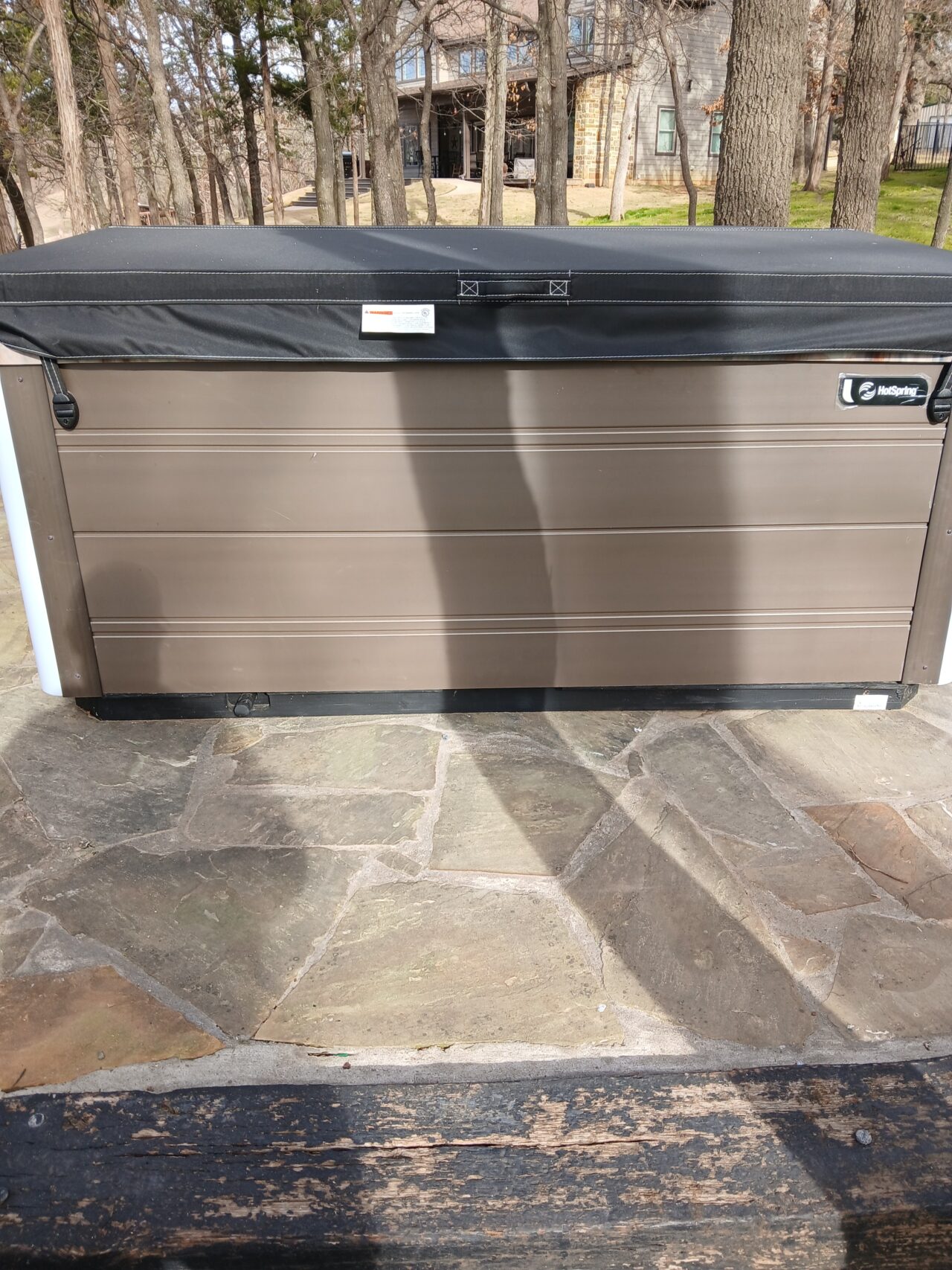
A new hot tub can be a great way to relax after a long day, but before it’s filled with water, it’s important to make sure your electrical system is ready. One of the most common questions homeowners ask is, “Does my hot tub need 120 volts or 240 volts?”
The answer depends on the type of spa you purchase, and understanding the difference can help you avoid costly mistakes during installation.
Plug-and-Play Hot Tubs (120 Volts)
Many entry-level hot tubs are designed as plug-and-play models. These units typically plug into a standard 120-volt receptacle and are attractive because they don’t always require extensive electrical work.
However, there are a few important limitations:
- They heat the water more slowly.
- The heater may shut off while the jets are running.
- They generally have fewer pumps and lower-powered features.
- They still require proper GFCI protection and should never be connected using an extension cord.
- Typically, do not require a dedicated circuit from the panel
While convenient, these hot tubs are best suited for homeowners who don’t mind longer heating times and lighter use.
Permanently Installed Hot Tubs (240 Volts)
Most full-size hot tubs require a 240-volt dedicated circuit. These spas offer significantly better performance and are the preferred choice for many homeowners.
Benefits include:
- Faster water heating.
- Ability to run the heater and jets simultaneously.
- More powerful pumps.
- Additional lighting and massage features.
- Better overall performance during colder weather.
A 240-volt spa typically requires:
- A dedicated circuit.
- Properly sized wiring.
- GFCI protection.
- A disconnect located within sight of the spa while maintaining the required safety clearances.
- Installation that complies with the manufacturer’s instructions and applicable electrical code.
Why Proper Electrical Installation Matters
Water and electricity demand careful attention to safety. Improper wiring can create nuisance tripping, equipment damage, or serious shock hazards.
Before installing a hot tub, it’s a good idea to have an electrician evaluate:
- Your electrical panel capacity.
- Available breaker spaces.
- Existing grounding and bonding.
- Wire size and circuit routing.
- The best location for the disconnect.
- Whether your home’s electrical service can support the additional load.
Planning ahead often prevents unexpected expenses after the hot tub has already been delivered.
Which Option Is Right for You?
If you’re looking for an occasional place to relax without extensive installation, a 120-volt plug-and-play spa may be enough.
If you want faster heating, stronger jets, and the best overall performance, a permanently installed 240-volt hot tub is usually the better long-term investment.
Let Wade Electrical Group Help
Whether you’re installing your first hot tub or upgrading to a larger spa, Wade Electrical Group can help ensure your electrical system is ready. We provide residential electrical evaluations, dedicated circuit installation, panel upgrades, GFCI protection, and complete hot tub electrical installations throughout Sanger and the surrounding communities.
If you’re planning a new spa installation, contact Wade Electrical Group today to schedule an electrical evaluation and enjoy your new hot tub with confidence.
Call (940)-465-8159 or schedule online today!