OUR SERVICESWhole Home
Generators
When the power goes out, your home shouldn’t have to come to a complete stop. A whole-home standby generator provides automatic backup power, helping keep your essential appliances, lighting, heating and cooling equipment, and other electrical systems running during an outage.
At Wade Electrical Group, we help homeowners choose and install standby generator systems based on their home’s electrical needs. Whether you want to keep a few important circuits operating or maintain power to most of your home, we’ll help you understand your options and choose a system that makes sense.
We provide whole-home standby generator installation for homeowners in Sanger, Krum, Denton, and surrounding North Texas communities.

Why Choose a Whole Home Generator?

What Does a Whole-Home Standby Generator Do?
A standby generator is permanently installed outside your home and connected to your electrical system through transfer equipment. Unlike a portable generator, it is designed to operate automatically when utility power is lost.
When an outage occurs, the system detects the loss of utility power, starts the generator, and transfers the backed-up electrical loads to generator power. When utility power returns, the system transfers your home back to normal utility service.
Depending on the generator size and system design, backup power may support:
-
Heating and air conditioning
-
Refrigerators and freezers
-
Lighting and general household outlets
-
Well pumps and water systems
-
Garage doors and other important equipment
-
Home offices, internet, and communication equipment
The amount of equipment your generator can operate at one time depends on its capacity and the electrical demands of your home. Proper sizing is important, especially when large appliances and air-conditioning systems are involved.
What Size Generator Does My Home Need?
One of the most common questions homeowners ask is, “How big of a generator do I need?”
The answer depends on more than the square footage of your home. Your electrical usage, major appliances, heating and cooling equipment, and the amount of your home you want to keep powered all matter.
Some homeowners want to maintain power to essential circuits, such as refrigeration, lighting, and selected HVAC equipment. Others want a system designed to support most or all of their home’s electrical needs.
During the evaluation, we consider:
-
Your existing electrical service and panel
-
The appliances and equipment you want to operate
-
Air-conditioning and heating requirements
-
Starting demands from larger motors and appliances
-
Whether load management may be appropriate
-
The generator capacity needed for your desired level of backup power
The goal is to recommend a generator that fits your home and expectations—not simply sell you the largest unit available.
Whole-Home Generator Installation
A standby generator is more than an engine sitting outside your house. It needs to be properly matched to your electrical system and installed with the correct transfer equipment.
Wade Electrical Group handles the electrical and plumbing portions of your generator installation and helps you understand what your home needs before the project begins.
1. Evaluate Your Home’s Electrical Needs
We look at your existing electrical panel, service equipment, gas meter, propane tanks, major appliances, and the loads you want to operate during an outage.
2. Select the Right Generator
Based on your home’s electrical demands and desired coverage, we help determine an appropriate generator size and system configuration.
3. Plan the Electrical Installation
The generator must be connected to your home’s electrical system using compatible transfer equipment. We evaluate the panel, wiring requirements, and installation layout.
4. Install the Generator and Transfer Equipment
The generator and automatic transfer switch must be installed according to the equipment manufacturer’s instructions and applicable electrical requirements. Fuel supply, placement, and other site requirements must also be addressed as part of the overall project.
5. Test the System
After installation, the system should be tested to verify proper operation, transfer between utility and generator power, and the expected backup loads.
Why Does a Standby Generator Need an Automatic Transfer Switch?
An automatic transfer switch is what allows a standby generator to work with your home’s electrical system safely.
When utility power is lost, the transfer switch detects the outage and allows the generator to supply the designated electrical loads. When utility power returns, it transfers the electrical system back to normal service.
The transfer equipment must be compatible with your electrical service and the generator system being installed.
Proper transfer equipment is essential. A generator should never be connected to a home’s electrical system through an improvised connection that could send power back into utility lines.
Whole Home Standby Generator Solutions
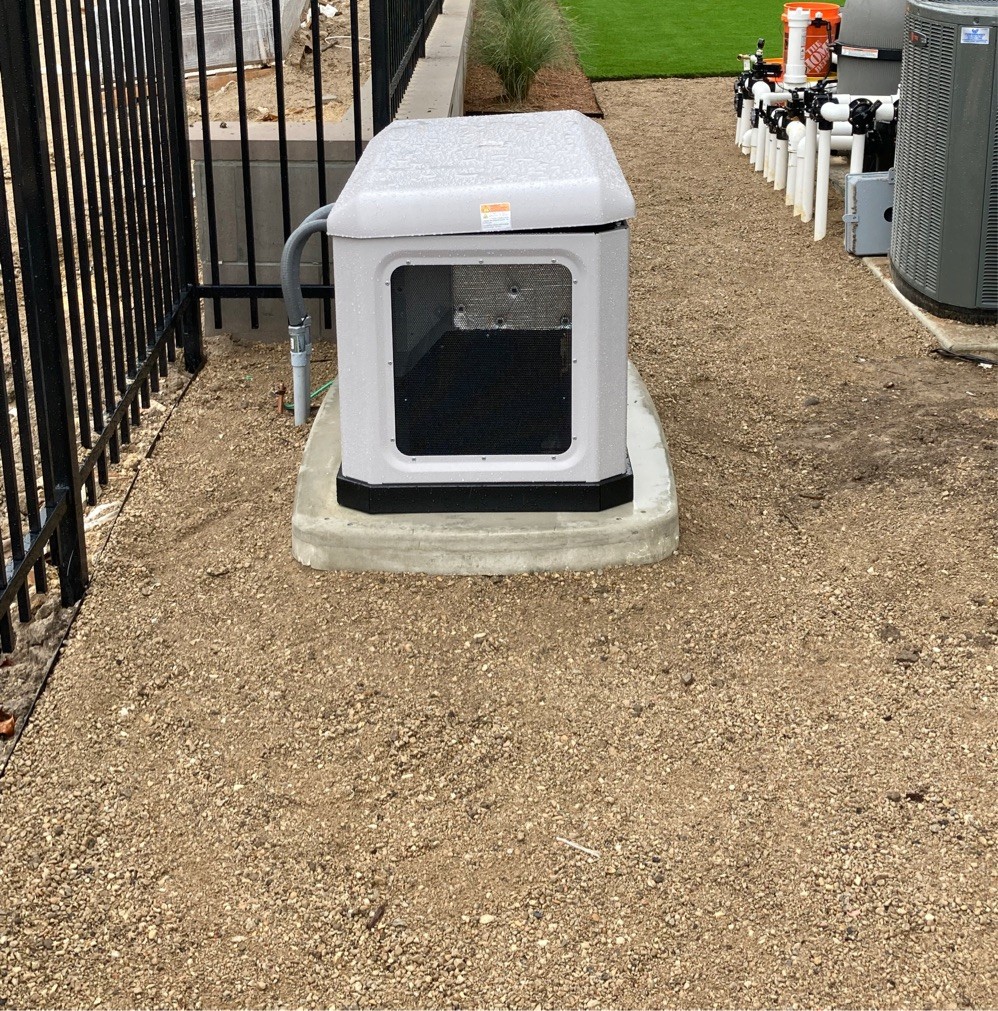
Briggs & Stratton Whole-Home Generators
Wade Electrical Group is a Briggs & Stratton whole-home generator dealer and warranty repair facility.
We can help homeowners understand available generator options, select a system that fits their electrical needs, and plan the electrical installation.
Choosing the right generator is about more than the manufacturer’s advertised kilowatt rating. The system needs to be properly matched to your home’s electrical demands and the equipment you expect to operate during an outage.
If you’re considering a Briggs & Stratton standby generator, contact us to discuss your home and installation requirements.
Explore available standby generator models from Briggs & Stratton
How Much Does a Whole-Home Generator Installation Cost?
The cost of installing a standby generator depends on the generator size, the electrical equipment required, and the layout of your property.
Some of the factors that affect installation cost include:
-
Generator capacity and model
-
Type and size of transfer switch
-
Existing electrical panel and service configuration
-
Distance between the generator and electrical equipment
-
Wiring, conduit, and other installation materials
-
Site preparation and placement requirements
-
Fuel supply requirements and any necessary upgrades
Because every home is different, the best way to get accurate pricing is to have your installation evaluated. We’ll look at the actual requirements of your home before recommending a system.
Wade Electrical Group also offers financing options for qualifying projects. Ask us about available options when discussing your generator installation.
Generator Maintenance and Service
A standby generator is something you depend on when the utility power fails. Regular maintenance helps keep the equipment in good operating condition and gives you an opportunity to identify problems before an outage occurs.
Like other engine-driven equipment, standby generators require routine service. Maintenance may include:
-
Engine oil and filter service
-
Air filter inspection or replacement
-
Spark plug inspection and replacement when required
-
Battery and starting-system checks
-
Inspection for leaks or visible damage
-
Checking the generator’s operating condition
-
Reviewing service alerts and maintenance requirements
Wade Electrical Group offers whole-home generator maintenance to help homeowners keep their backup power systems ready.
We also provide Briggs & Stratton warranty repair service for qualifying equipment.
Frequently Asked Questions about Whole Home Generators
It can, depending on the size of the generator and your home’s electrical needs. Some standby generators are sized to power most or all of a home’s electrical equipment, while others are designed to operate essential appliances and selected circuits. Larger electrical loads, such as central air conditioning, electric heating, and well pumps, must be considered when choosing the right generator. Wade Electrical Group can evaluate your home’s electrical demands and help you select a generator that provides the level of backup power you want.
A standby generator is designed to start automatically when it detects a loss of utility power. Once the generator starts and reaches the proper operating conditions, the automatic transfer switch moves your home’s backed-up electrical loads over to generator power. This process typically takes only a short time, often around 10 to 30 seconds, depending on the equipment and system settings. You don’t have to be home to start the generator or manually connect it.
Many residential standby generators are available in natural gas and liquid propane (LP) configurations. Natural gas generators connect to an existing natural gas supply, while propane generators use a properly sized LP storage tank. The best option depends on the fuel available at your property, the generator model, and the fuel supply requirements. Wade Electrical Group can help you determine which generator configuration is appropriate for your home and coordinate the electrical installation requirements.
Maintenance intervals depend on the generator model, operating hours, and manufacturer requirements. Routine service is important even if the generator has not experienced a major outage. Follow the manufacturer’s maintenance schedule and have the system inspected regularly.
Wade Electrical Group is a Briggs & Stratton whole-home generator dealer and warranty repair facility. Contact us with your generator’s model information so we can discuss the service it needs and applicable warranty coverage. (940)-465-8159